Blank White

Quantum-Safe Data Integrity Solutions  

ULedger Has The Solution For You

ULedger delivers enterprise-grade solutions built to protect data integrity, provenance, and compliance in modern distributed environments. Our platform combines advanced cryptography, Layer 1 blockchain architecture, and quantum-safe security solutions to create tamper-evident records for critical business systems.

Schedule a Discovery Call to explore how integrity can become part of your core infrastructure.
schedule a discovery call with our team
Hierarchical Blockchain Wallet Management System for an Organization

Trust Your Data Again: The Power of Blockchain Integrity

Data integrity sits at the core of every digital system. Whether you manage financial records, user data, or internal logs, one issue remains constant. You need to trust that your data has not changed without permission.
Traditional systems try to solve this with access controls and backups. These methods help, but they still rely on central authority. That creates gaps. If someone gains access or alters records internally, detection often comes late.
Blockchain changes this model. It builds a system where every record becomes verifiable and resistant to tampering. When combined with Quantum Safe security, it also prepares your data for future risks.
This page explains how blockchain protects data integrity, how it works in enterprise systems, and why Quantum Safe design matters today.
What Is Blockchain Data Integrity

Blockchain data integrity means your data stays accurate, consistent, and unchanged unless a valid update occurs. It ensures no one can alter records silently or rewrite history.
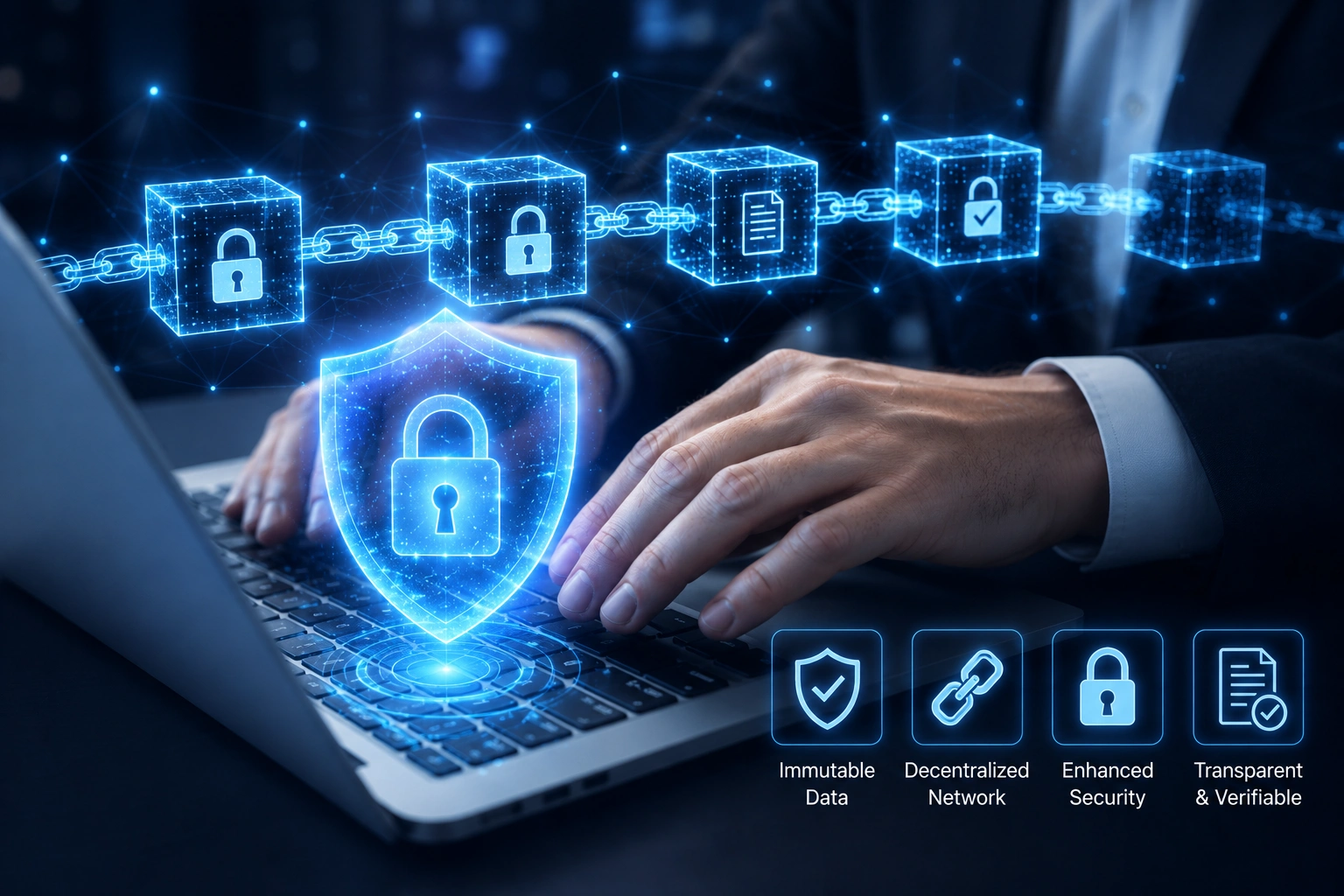
In a blockchain system, every entry gets recorded in a block. Each block connects to the previous one through cryptographic links. This creates a chain that stores data in a fixed sequence.
Once a block gets added, no one can edit it without affecting the entire chain. That makes tampering visible and easy to detect.
Key characteristics of blockchain data integrity include:
  • Immutable records that cannot change after confirmation
  • Time-stamped entries that track when data was added
  • Transparent audit trails that show every action
This structure allows teams to verify data at any point without relying on a single authority. It creates a shared source of truth across systems and stakeholders.
Diagram showing a primary wallet managing multiple sub wallets for identity, object, and device wallets connected to blockchains A, B, and C, with a rogue sub wallet deactivated and denied access to blockchain D.
Hierarchical Blockchain Wallet Management System for an Organization

The Challenge: Trust Gaps in Modern Systems

Businesses work on the cloud platforms, using SaaS tools, AI pipelines, and their partner networks. This leads to complexity and risk. Besides the existing cyber threat, the new quantum computers might become a great threat to the conventional encryption methods. If there are no quantum-safe security solutions, then confidential records become exposed, hence compliance gaps, operational exposure, and long-term legal or financial liabilities could be the consequences.
Common challenges include:
  1. Logs that can be modified or deleted by insiders or attackers
  2. Difficulty proving what truly happened during an incident
  3. Compliance requirements demanding immutable records
  4. Limited visibility across multi-system environments
  5. Concerns about long-term encryption strength
  6. High cost and performance tradeoffs in traditional blockchain networks
Many organisations seek post-quantum cryptography solutions, but few platforms combine cryptographic future-proofing with enterprise usability.

ULedger directly addresses this gap by combining future-proof cryptography with enterprise usability.
Diagram showing a primary wallet managing multiple sub wallets for identity, object, and device wallets connected to blockchains A, B, and C, with a rogue sub wallet deactivated and denied access to blockchain D.
Explore Solutions

How Blockchain Ensures Data Integrity

Blockchain uses a combination of technologies to protect data from unauthorized changes. Each layer plays a specific role in maintaining integrity.

Immutable Ledger

Once data enters the blockchain, it becomes permanent. You cannot edit or delete it without altering the entire chain. This creates a reliable history of all transactions and records.

Cryptographic Hashing

Each block contains a unique hash. This hash acts like a digital fingerprint of the data. Even a small change in the data creates a completely different hash.
If someone tries to modify a record, the mismatch becomes obvious immediately.

Distributed Validation

Blockchain does not rely on one central system. Multiple nodes validate each transaction before adding it to the chain.
This distributed approach reduces the risk of manipulation. An attacker cannot control the system without influencing a large portion of the network.

Tamper Detection

Every block links to the previous one. If someone changes one block, it breaks the chain connection.
This makes tampering easy to detect. Systems can flag inconsistencies in real time and prevent further actions.
Together, these mechanisms create a system where data integrity stays built into the architecture, not added as a separate control.
Diagram showing a primary wallet managing multiple sub wallets for identity, object, and device wallets connected to blockchains A, B, and C, with a rogue sub wallet deactivated and denied access to blockchain D.
Hierarchical Blockchain Wallet Management System for an Organization

Blockchain for Data Integrity in Enterprise Systems

Enterprises deal with large volumes of data across multiple systems. These include financial transactions, operational logs, contracts, and compliance records. Maintaining integrity across all of them becomes complex.
Blockchain simplifies this by creating a shared verification layer. It connects different systems and ensures consistency across them.
Common Enterprise Use Cases
  1. Transaction records: Financial systems can record transactions on the blockchain for validation
  2. Operational logs: System logs remain tamper-proof and traceable
  3. Document management: Contracts and files can get time-stamped and verified
Diagram showing a primary wallet managing multiple sub wallets for identity, object, and device wallets connected to blockchains A, B, and C, with a rogue sub wallet deactivated and denied access to blockchain D.
Cross-System Validation
Different departments often use separate platforms. Blockchain acts as a common layer that validates data across these systems.
This reduces mismatches and improves coordination between teams.
Diagram showing a primary wallet managing multiple sub wallets for identity, object, and device wallets connected to blockchains A, B, and C, with a rogue sub wallet deactivated and denied access to blockchain D.
Real-Time Verification
Instead of checking data after issues occur, blockchain allows instant validation.
Each entry gets verified as it is recorded. This reduces delays and improves response time. For enterprises, this means fewer disputes, cleaner records, and stronger data governance.
Diagram showing a primary wallet managing multiple sub wallets for identity, object, and device wallets connected to blockchains A, B, and C, with a rogue sub wallet deactivated and denied access to blockchain D.
Explore Solutions

Our   Collaborative Path

Deploy The ULedger Platform

Start with a secure integration of ULedger’s Layer 1 integrity ledger into your environment. The platform anchors data streams using immutable, append-only records.

This enables blockchain data integrity for logs, emails, transactions, documents, and AI outputs without exposing sensitive information.
Diagram showing a primary wallet managing multiple sub wallets for identity, object, and device wallets connected to blockchains A, B, and C, with a rogue sub wallet deactivated and denied access to blockchain D.
Hierarchical Blockchain Wallet Management System for an Organization

Strategic MVP Program

Implement a focused pilot use case to validate integrity workflows. Examples include:
Common challenges include:
  • Secure audit logging
  • Email authenticity verification
  • Compliance-grade data provenance
  • AI output tracking
Diagram showing a primary wallet managing multiple sub wallets for identity, object, and device wallets connected to blockchains A, B, and C, with a rogue sub wallet deactivated and denied access to blockchain D.

Go Live

Expand deployment across systems to create a unified integrity layer. Once live, your organisation benefits from:
  • Cryptographically anchored audit trails
  • Tamper-evident records
  • Cross-system verification
  • Privacy-preserving proofs
This approach transforms blockchain for data integrity into an operational infrastructure rather than a standalone tool.
Diagram showing a primary wallet managing multiple sub wallets for identity, object, and device wallets connected to blockchains A, B, and C, with a rogue sub wallet deactivated and denied access to blockchain D.
Hierarchical Blockchain Wallet Management System for an Organization

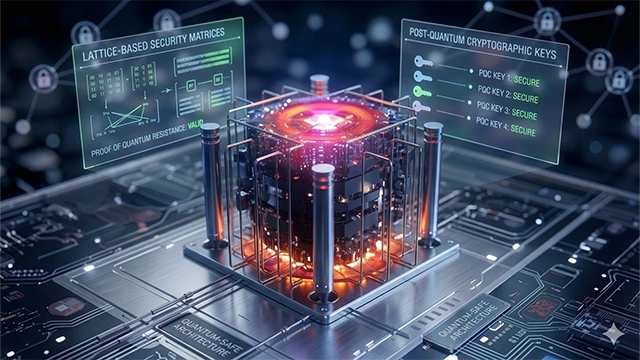
Quantum-Safe Architecture

ULedger is built as a purpose-designed enterprise Layer 1 blockchain.

The security of records is ensured through the use of advanced consensus mechanisms and post-quantum cryptography solutions that are capable of protecting the records from both current cyber threats and future quantum attacks.
Key Characteristics
  • Immutable, append-only ledger design
  • Timestamped event anchoring
  • Zero-knowledge proof verification
  • Cross-Merkleization for cross-system validation
  • No mandatory public tokens or gas fees
  • Predictable enterprise pricing model
This makes ULedger suitable for organisations seeking a quantum-safe blockchain foundation without exposure to token volatility or unnecessary complexity.
Diagram showing a primary wallet managing multiple sub wallets for identity, object, and device wallets connected to blockchains A, B, and C, with a rogue sub wallet deactivated and denied access to blockchain D.
Talk to an Expert

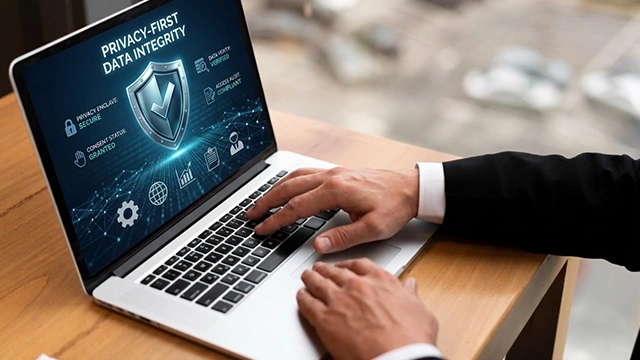
Privacy-First Data Integrity

Instead of storing raw data on a public chain, it generates cryptographic proofs that confirm authenticity while keeping sensitive content under organisational control.
Capabilities include:
  • Wallet-based governance and access control
  • Secure signing and verification workflows
  • Data residency alignment
  • Off-chain confidentiality preservation
Diagram showing a primary wallet managing multiple sub wallets for identity, object, and device wallets connected to blockchains A, B, and C, with a rogue sub wallet deactivated and denied access to blockchain D.
Book a Strategy Session
Hierarchical Blockchain Wallet Management System for an Organization

Targeted Enterprise Use Cases

ULedger provides integrity solutions across critical functions:
Artistic Representation of Blockchain Technology or Data Encryption
Email & Communications Integrity
Learn More

Email & Communications Integrity

Tamper-proof archives and authenticity verification to reduce phishing risk and support legal defensibility.

Conceptual Representation of Artificial Intelligence (Ai) and Digital Innovation
Secure Logging Layer
Learn More

Secure Logging Layer

Immutable system and security event records for faster incident response and forensic analysis.

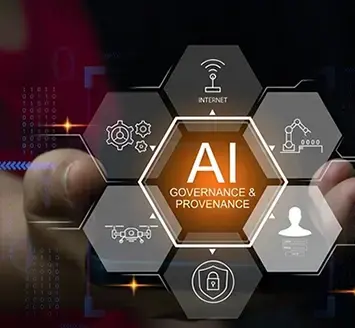
A Data Scientist or Business Leader
AI Governance & Provenance
Learn More

AI Governance & Provenance

Audit trails of training data, prompts, and model outputs for ensuring transparent AI decision-making.

Benefits of Blockchain Data Integrity

Blockchain brings practical advantages that go beyond technical improvements. It directly impacts business performance and risk management.

Reduced Fraud

Tamper-proof records make it harder to manipulate data. This lowers the risk of internal and external fraud.

Compliance Readiness

Many industries require strict record-keeping. Blockchain provides clear audit trails that meet regulatory requirements.

Faster Audits

Auditors can access verified data without manual checks. This reduces audit time and effort.

Improved Trust Between Stakeholders

When all parties access the same verified data, trust increases. This helps in partnerships, supply chains, and financial transactions.

Operational Efficiency

Automation and real-time validation reduce manual work. Teams spend less time verifying data and more time using it.
These benefits make blockchain a strong choice for organizations that handle sensitive or high-value data.
Diagram showing a primary wallet managing multiple sub wallets for identity, object, and device wallets connected to blockchains A, B, and C, with a rogue sub wallet deactivated and denied access to blockchain D.

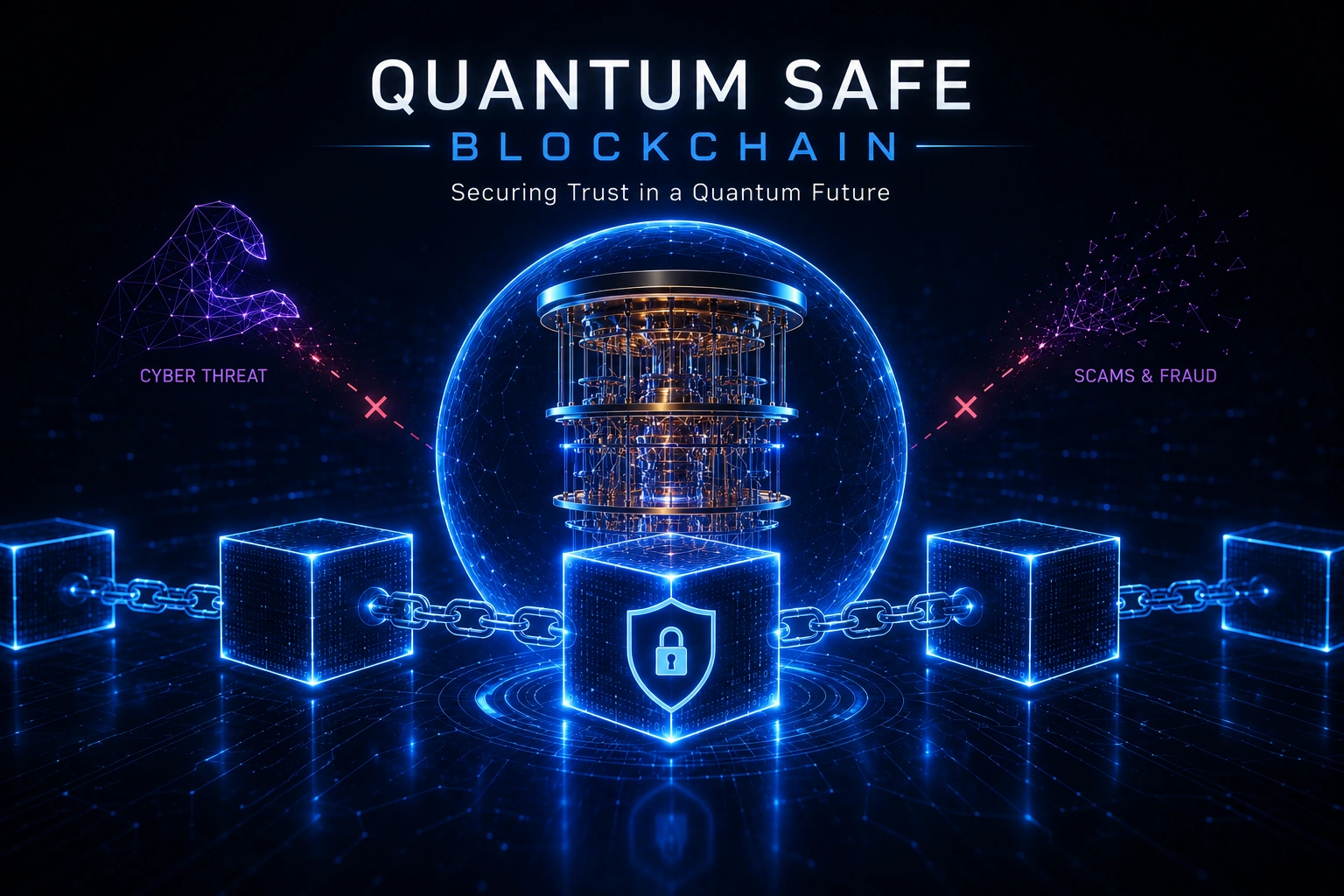
What Is a Quantum Safe Blockchain

Quantum computing introduces a new type of risk. It has the potential to break traditional encryption methods used today.
A Quantum Safe blockchain prepares for this future. It uses cryptographic techniques that remain secure even against quantum attacks.
Key Characteristics
  • Resistant to quantum-based decryption methods
  • Protects long-term data integrity
  • Supports future-proof security strategies
Most current systems rely on encryption that works well today. However, data stored now could become vulnerable later when quantum technology advances.
Quantum Safe blockchain solves this by adopting stronger algorithms. It ensures that your data stays protected not only today but also in the years ahead.
This approach becomes important for industries that need long-term data security, such as finance, healthcare, and government systems.
Diagram showing a primary wallet managing multiple sub wallets for identity, object, and device wallets connected to blockchains A, B, and C, with a rogue sub wallet deactivated and denied access to blockchain D.
Hierarchical Blockchain Wallet Management System for an Organization

Blockchain vs Traditional Data Integrity Systems

Different systems approach data integrity in different ways. The comparison below highlights the key differences.
Feature Blockchain Traditional Systems
Tamper resistance High Low
Auditability Built-in Manual
Trust model Decentralized Centralized

Tamper Resistance

Blockchain prevents unauthorized changes through its structure. Traditional systems rely on access controls, which can fail if compromised.

Auditability

Blockchain records every action automatically. Traditional systems require manual logs and verification.

Trust Model

Blockchain distributes trust across multiple nodes. Traditional systems depend on a central authority. This difference changes how organizations manage risk and verify data.
Data integrity remains a critical requirement in modern systems. As data volumes grow, so do the risks of tampering, fraud, and inconsistency.
Blockchain offers a strong solution by building integrity directly into the system. It creates immutable records, enables real-time verification, and improves transparency across operations. When combined with Quantum Safe security, it also prepares organizations for future threats. This ensures that data remains protected even as technology evolves.
Auditors can access verified data without manual checks. This reduces audit time and effort.
Hierarchical Blockchain Wallet Management System for an Organization

Why Choose ULedger?

ULedger provides:
  • NIST-aligned quantum-resistant cryptography
  • Enterprise Layer 1 design
  • Zero-knowledge integrity proofs
  • Modular governance architecture
  • Predictable cost model
  • High-throughput performance
Diagram showing a primary wallet managing multiple sub wallets for identity, object, and device wallets connected to blockchains A, B, and C, with a rogue sub wallet deactivated and denied access to blockchain D.
Start Your Integration
OUR APPROACH

Industries   We Support

ULedger is designed for environments where integrity failures create regulatory, financial, or operational risk.
Time Is Money Icon

Financial Services

Regulatory recordkeeping, fraud investigations, transaction logs, and audit readiness.
Certification Renewal, Continuous Compliance, and Re-Certification Processes

Healthcare & Life Sciences

HIPAA-aligned audit trails, clinical data integrity, and medical system logging.
Representation of Digital Disruption

Legal & Insurance

Defensible document archives, contract tracking, and e-discovery support.
Automated Development Processes

Government & Public Sector

Transparent record systems for procurement, infrastructure, and public accountability.
Server Error Icon

Supply Chain & Manufacturing 

Traceability, quality documentation, and anti-counterfeiting verification.
Document/checklist Icon

AI & SaaS Platforms

Integrity layers for datasets, outputs, and autonomous systems.
Saazee Webflow Template-Story Image
Benefits
Secure business process automation at scale ​​
Faster time-to-market, developer-first
Reliable and fast blockchain performance​
Future-proof data integrity & security​
Resolve conflicts efficiently in distributed systems​​
Cross-chain verification without data exposure​
Saazee Webflow Template-Story Image
Features
Saazee Webflow Template-Story Image
Background White Green
FAQ's

Frequently Asked Questions

What Are Quantum Safe Security Solutions?
Quantum-safe security solutions use cryptography designed to resist attacks from future quantum computers. They protect sensitive data even if current encryption standards become vulnerable.
 How Does Blockchain Ensure Data Integrity in Enterprise Systems?
Blockchain creates immutable, time-stamped records that cannot be altered without detection. This makes it easier to prove what happened and when.
What Are Post Quantum Cryptography Solutions for Long-Term Protection?
Post-quantum cryptography solutions use new algorithms built to withstand quantum-level computing attacks. They help organisations protect data for decades, not just years.
What Is a Quantum Safe Blockchain?
A quantum-safe blockchain combines distributed ledger architecture with quantum-resistant cryptography. It keeps records tamper-evident while preparing for future threats.
Post Quantum Cryptography vs Traditional Encryption: What’s the Difference?
Traditional encryption can be broken by powerful quantum computers in the future. Post quantum cryptography is designed to stay secure even in that scenario.
How Does Blockchain Improve Data Integrity in Regulated Industries?
It creates permanent audit trails that support compliance and investigations. Regulators can verify records without relying on editable internal logs.
Why Do Enterprises Need Quantum-Resistant Cryptography Today?
Data stolen today can be decrypted later when quantum technology matures. Quantum-resistant cryptography prevents that long-term exposure.
How Can Blockchain and Post-Quantum Cryptography Work Together?
Blockchain secures and timestamps records, while post-quantum cryptography protects the underlying signatures and keys. Together, they create durable, tamper-evident systems.
What Are the Risks of Quantum Computing to Current Encryption Methods?
Quantum computers could break widely used public-key encryption algorithms. That would expose stored data, digital signatures, and authentication systems.
How Do Quantum Safe Blockchain Solutions Protect AI Systems and Data Provenance?
They anchor AI inputs and outputs with cryptographic proofs that cannot be altered later. This supports traceability, auditability, and trust in automated decisions.